
Ranked 18th in the 2026 rankings, the school continues to strengthen its position among the top 20 public health schools and programs in the United States.


The Scarletter
Summer Edition | June 2026
Welcome to the Summer 2026 edition of The Scarletter, the seasonal newsletter of Rutgers School of Public Health!
In the Summer 2026 edition, explore School News & Updates, including highlights from our 2026 Convocation ceremony and key developments across the Rutgers School of Public Health. Celebrate the accomplishments of our community in Excellence at Rutgers Public Health, stay informed through Research & In the News, and read A Call to Action, a message from Dean Perry N. Halkitis on humanizing public health, rebuilding trust through community engagement, and strengthening the public health infrastructure needed to support healthier communities and populations.
To ensure The Scarletter remains accessible to everyone, from any location and on any device, we are moving to a web-based format. Previous editions can be found here.
School News & Updates
Congratulations, Class of 2026!
On May 19, graduates crossed the stage at the Rutgers School of Public Health's Convocation ceremony at the State Theatre New Jersey.
Convocation is the school's annual graduation ceremony that honors graduates' achievements and commitment to advancing public health, alongside their loved ones, distinguished guests, and the school community.

Celebrating the Class of 2026
Graduate Profile: Abanoub Armanious, MS '26

Abanoub graduated with a master of science degree in epidemiology with a concentration in pharmacoepidemiology, after a graduate career marked by academic excellence and interdisciplinary research. As a first-generation graduate student, he built his path step by step, guided by mentorship, lived experience and a deep commitment to ensuring research reflects the people it is meant to serve.
Public Health Innovation
The Rutgers School of Public Health has once again been recognized among the top public health schools in the nation in the latest U.S. News & World Report Best Graduate Public Health Schools rankings. Learn more about our ranking and explore two new master's degree programs that will welcome their inaugural cohorts this fall.
Ranked 18th in the 2026 rankings, the school continues to strengthen its position among the top 20 public health schools and programs in the United States.

The Rutgers School of Public Health has launched a 100% online Master of Public Health (MPH) degree in Sexual and Reproductive Health, Rights and Justice, and is accepting students for the Fall 2026 semester.

The Rutgers School of Public Health’s Master of Science (MS) in Sustainability and Health degree prepares students to think critically and systemically about the interconnections and interdependencies between human health and well-being and the health of the planet.
MPH Reimagining: Shaping the Future of Public Health
Beginning in early 2026, the Rutgers School of Public Health launched the Master of Public Health (MPH) Reimagining Initiative to engage faculty, staff, students, alumni, community partners, and employers in shaping the future of our MPH curriculum. Using a human-centered design and data-driven approach, we are gathering feedback on how to modernize and strengthen our MPH curriculum and experiential learning opportunities to better meet the challenges of public health in this moment and beyond. Over the coming months, we will continue to engage key stakeholders as we refine and refresh the MPH experience.
Excellence at Rutgers Public Health
Rutgers Day 2026
During Rutgers Day, members of the Rutgers School of Public Health community shared what they enjoyed most about the day's activities. From connecting with prospective students and alumni to engaging with the broader Rutgers community, the following video captures the people, experiences, and spirit that make Rutgers School of Public Health a vibrant place to learn, work, and lead.
Video Credit: Bryan Balarezo
Public Health Leadership
Senior Associate Dean for Research

Paul Duberstein, PhD, has been appointed Senior Associate Dean for Research at the Rutgers School of Public Health, effective September 1, 2026.
A nationally recognized researcher and longtime chair of the Department of Health Behavior, Society and Policy, Duberstein has helped expand the department’s research portfolio, faculty expertise, and academic impact during his seven years of leadership. In his new role, he will lead efforts to strengthen the school’s research enterprise, support faculty scholarship, and advance innovation across Rutgers School of Public Health.
Director of Research for NJGVRC

Daniel Semenza, PhD, has joined the Department of Urban-Global Public Health as an associate professor. He is also the Director of Research for the New Jersey Gun Violence Research Center.
Semenza is a nationally recognized scholar whose work bridges public health, criminology, sociology, and medicine. His research focuses on the causes and consequences of gun violence, as well as the intersections of health, criminal justice exposure, and violent victimization. Across these areas of inquiry, much of Semenza’s work examines how violence contributes to health disparities and social inequality.
Honoring Our Retirees
Teri E. Lassiter, PhD, MPH
Teri Lassiter served as an associate professor in the Department of Urban-Global Public Health and as the Assistant Dean for Academic Excellence.She has been an incredible colleague, teacher, partner, and mentor to all of us at the School of Public Health and to community members for the many years that she has been a member of the faculty.
At her retirement party, we heard powerful testimony from faculty, staff and students — some of whom graduated over a decade ago — about how much they value and benefitted from her intelligence, warmth, and willingness to support us all.
Congratulations, Teri!

Nancy Fiedler, PhD
Nancy Fielder served as a professor in the Department of Environmental and Occupational Health and Justice. She is retiring after a distinguished, 44-year career at Rutgers, where she developed clinical programs for workers, wrote multi-disciplinary grants that integrated behavioral research methods and social determinants into occupational and environmental health research and developed a birth cohort in Thailand.
Through her leadership, scholarship, and mentorship, Nancy has shaped the field and our school in lasting ways, training generations of students to approach public health with both scientific rigor and humanity.
Congratulations, Nancy!

Judith Graber, PhD, MS
Judith Graber served as a Professor in the Department of Biostatistics and Epidemiology. She is retiring after 13 years at the school, during which she also served as the inaugural Epidemiology Concentration Director and the inaugural Director of the MS in Epidemiology program.
In addition to her nationally recognized research on the environmental exposures experienced by U.S. firefighters, Judith has made countless contributions to the school, including mentorship of numerous masters and doctoral students, several of whom have earned prestigious fellowships in Epidemiology.
Congratulations, Judith!

Dean's Leadership Council
Dean's Leadership Council Members Gloria A. Bachmann, MD, MMS, and James F. Dougherty, MS, VMD, were inducted into the Rutgers Hall of Distinguished Alumni.
A Trailblazer for Women’s Health
A Trailblazer for Women’s Health

Gloria A. Bachmann, MD, MMS
Gloria A. Bachmann has dedicated her life to helping others and, as a physician, ensuring that women receive optimal obstetrical and gynecological care. Her devotion to Rutgers was recognized with her induction into the Rutgers Hall of Distinguished Alumni.
Nominator’s Remarks
“Dr. Bachmann’s career exemplifies the mission and values of Rutgers University: a relentless pursuit of knowledge, a deep commitment to service, and a profound belief in equity and justice. She has inspired and guided countless students across academic and professional levels, helping launch impactful careers in medicine, public health, and beyond. Her lifelong contributions to science, public health, and higher education—not to mention her indelible impact on the Rutgers community—make her singularly deserving of induction into the Hall of Distinguished Alumni.” —Perry N. Halkitis, Dean, Rutgers School of Public Health
A Tireless Advocate for Rutgers
A Tireless Advocate for Rutgers

James F. Dougherty, MS, VMD
Rutgers provided financial aid and scholarships to James F. Dougherty, enabling him to earn two Rutgers degrees and launch a rewarding career as a veterinarian. In the decades since, he has been unwavering in his support of the university through service and philanthropy.
Nominators’ Remarks
“Dr. Dougherty is a philanthropist, a mentor, and a tireless advocate for Rutgers. His professional excellence and personal integrity embody the highest ideals of our alumni community.”—Rutgers University–New Brunswick Chancellor Francine Conway
“Jim is an exceptionally committed and generous supporter of Rutgers who is focused on what is best for our students, their futures, and their visions for success.”—J.D. Bowers, Dean, Rutgers–New Brunswick Honors College
2026 Awards Ceremony & Delta Omega Induction
On May 8, the Rutgers School of Public Health held its Awards Ceremony and Delta Omega Induction in Piscataway, NJ, bringing together students, faculty, staff, alumni, and guests to celebrate an outstanding academic year and recognize the incredible accomplishments across the community.

Distinguished Alumni Award

Douglas Erling, MPH, CPH, PMP, REHS/RS
Stanley S. Bergen Jr. Medal of Excellence

Luis Cordero, MPH
Cordero was also inducted into Delta Omega and received the Bernard D. Goldstein Award for Population Aging (MPH) and Wellness PHirst Ambassador Champion Award.
New Jersey Health Foundation George E. Heinrich Excellence in Research Award

Anestis was also inducted into Delta Omega.
New Jersey Health Foundation George E. Heinrich Excellence in Teaching Award

Rafael E. Pérez-Figueroa, MD, MPH
Pérez-Figueroa was also inducted into Delta Omega and received the Faculty Community Engagement Award.
Alfredo Regala Distinguished Staff Award

Samuel Barreto Rios
Delta Omega Inductees

Each year, the Alpha Eta Chapter of Delta Omega inducts graduating students, faculty, alumni, and honorary members to the honorary society based on high academic standards and outstanding performance in scholarship, teaching, research, and community service.

Rutgers School of Public Health Dean Perry N. Halkitis and Vice Dean Deanna Kerrigan among leaders recognized on 2026 NJBIZ Health Care Power List

Rutgers School of Public Health faculty, Rafael E. Pérez-Figueroa and Michael Anestis, have been named 2026 recipients of the New Jersey Health Foundation Excellence Awards.

Two Rutgers School of Public Health faculty members have been recognized among the university’s most distinguished scholars, earning 2025–2026 Faculty Year-End Excellence Awards from Rutgers University.
Student Spotlights
From Zoom to London to Chicago: When Online Classmates Meet in Real Life
Brianna Vo and Luis Cordero, both graduate students and Wellness PHirst Ambassadors at the Rutgers School of Public Health, were online classmates before they ever met in person, interacting through virtual courses while living in different states.
Their first face-to-face experience came during the January winter break in London through the School of Public Health’s global learning course, “Public Health Aspects of HIV Prevention and Care.”
After returning from London, Vo and Cordero stayed in touch – eventually reconnecting in Chicago. Both students discuss their story and how studying abroad turned virtual classmates into genuine friends.

Study Abroad Impact
Vo: I have participated in two study abroad courses since I began my Master of Public Health program at Rutgers. These courses have significantly enhanced my personal and professional perspectives and knowledge.
The first program I participated in was in Colombia, where I encountered incredible people from both Rutgers School of Public Health and La Universidad Autónoma de Manizales.
The second and most recent program I attended was in London, focused on HIV care and prevention. This program truly demonstrated how even small differences in health care systems can have a significant impact on communities. I learned that the belief in the importance of lived experience shapes their approach to various situations, allowing them to tailor their responses to better address different needs.
Cordero: Studying abroad strengthened my appreciation for the power of community building. Public health is truly a team effort, and meaningful change requires collaboration.
Building a friendship with Bri was a central part of that experience, as it gave me insight into her work in pharmacy and her perspective on the disparities patients face when accessing medications. Our conversations about insurance barriers, affordability and systemic challenges in the U.S. health care system brought a real-world depth to what we learn in the classroom.

Building Community & Connection
Vo: Stepping out of your comfort zone can really help you grow both mentally and physically. Instead of getting caught up in all the "what ifs," try to focus on "what's next" because there are always new opportunities waiting for you.
Cordero: My biggest advice to hybrid students is to be intentional about building connections. Even if someone starts as just a name on a screen in an online class, take the initiative to reach out; you never know how impactful that connection can become. Meeting Bri showed me that some of the most meaningful relationships can come from simply taking that first step.

Wellness PHirst Ambassadors
The Office for Student Experiences, Public Health Practice, and Alumni Affairs' Wellness PHirst Ambassadors are student leaders mentor their peers, promote wellness resources, and co-facilitate programs and initiatives that enhance engagement, connection, and belonging across the Rutgers School of Public Health community.

Rutgers School of Public Health Wellness PHirst Ambassador Aditi Sharada shares how her work in pharmacoepidemiology and her commitment to translating evidence into real-world care shape her journey in public health.

Rutgers School of Public Health Wellness PHirst Ambassador Riddhi Pandya shares how her nursing background, commitment to preventive care, and passion for community wellness shape her public health journey.

Rutgers School of Public Health Wellness PHirst Ambassador Aesha Patel shares how her background in healthcare informs her approach to community wellness and her work in public health.

Rutgers School of Public Health Wellness PHirst Ambassador Hang Zhou shares how her dedication to data‑driven health research and improving clinical outcomes shapes her work and studies.

Rutgers School of Public Health Wellness PHirst Ambassador Brianna Vo shares how her interests in medicine, mental health, and holistic, community-focused care shape her journey in public health.

Rutgers School of Public Health Wellness PHirst Ambassador Maryam ‘Niki’ Tavallali shares how her passion for environmental health, prevention, and community connection shapes her path in public health.
Alumni Spotlights
Alumni April 2026
Alumni April, an annual initiative from Rutgers School of Public Health's Office of Career Services, honors our alumni advancing public health through meaningful impact.
Humans of Rutgers School of Public Health
This year's theme highlights alumni stories—non-traditional paths, interdisciplinary work, and people-centered values that define the field. Scroll through their profiles to discover how Rutgers alumni shape public health.
Research
Growing Research
The Rutgers School of Public Health secured more than $34.2 million in research funding in FY 2025, including $24.5 million in federal support, underscoring the school's role as a leader in advancing public health research.
The school ranked 14th nationally in NIH funding among schools of public health and 4th among Big Ten schools of public health.
Our research portfolio continues to grow, with faculty leading more than 70 active NIH-funded research projects and career development awards spanning the full research continuum, from early-stage investigation to large-scale, multi-site studies. The next generation of researchers is also making an impact, with four doctoral students currently supported through prestigious NIH F31 fellowship awards.
Research Spotlight
Advancing Equity in LGBTQ+ Public Health
Tamara Taggart, the inaugural Perry N. Halkitis Endowed Chair for Advancing LGBTQ+ Public Health, is advancing research that centers on community partnership, structural equity and the health of sexual and gender minority populations. She integrates techniques, theories, and concepts from epidemiology, psychology, and sociology.
Her research program aims to reduce health disparities and improve health outcomes for historically excluded communities.
Additionally, her research explores how social-structural and cultural identity factors shape health behaviors and outcomes, with a focus on advancing community-driven solutions that support underserved populations. Through this vital work, Taggart is helping build lasting health equity for LGBTQ+ and other historically excluded communities, exemplifying women’s leadership in shaping sustainable futures.
“We are in a moment when LGBTQ+ health research, DEI, and the communities we serve are under significant political and social attack. Staying committed to rigorous, equity-centered scholarship in this climate is a personal and professional responsibility.”
Research Spotlight
The Power of Whole Person Health
Vice Dean Deanna Kerrigan, founder and director of the Rutgers Center for Whole Person Health, is turning research into action that helps people and the communities around them thrive. She is a social and behavioral scientist whose research focuses on the role of social-structural and psychosocial factors that shape the health of underserved groups.
Her public health research advances disease prevention, treatment adherence and community resilience. Through this vital work, Kerrigan is helping build lasting health equity – a powerful example of women's leadership shaping sustainable futures.
“We have found that multi-level interventions that support safe spaces for women to come together and stimulate community mobilization, along with peer education, health provider sensitivity training and individual counseling, have an important impact in reducing stigma, promoting social cohesion and improving HIV and mental health outcomes.”
Explore the Latest Research
This section highlights select research and reports from the Rutgers School of Public Health. This is not a complete list of all faculty, staff, student, and unit media mentions.

New Jersey has become an increasingly important access point for abortion care in the years following the U.S. Supreme Court’s overturning of Roe v. Wade, though disparities in availability remain throughout the state, according to Rutgers Health researchers.
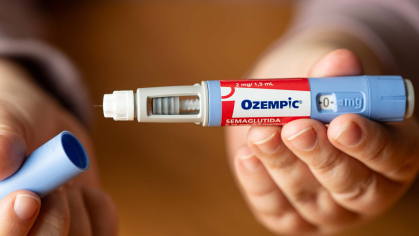
Rutgers Health research sheds light on why people using the anti-obesity medication semaglutide say the results matter more than the side effects.

Rutgers Health researchers receive a federal grant to examine how contaminants may influence pregnancy outcomes and child development.

Public misunderstanding about medical aid in dying in the United States falls into two distinct categories – misinformation and uncertainty – and each is driven by different forces, according to Rutgers Health researchers.

Wildfire smoke is no longer confined to distant regions. It is increasingly affecting communities throughout the United States, raising urgent questions about air quality, public health and long-term risk. Researchers at Rutgers University are studying how wildfire smoke affects the body and how to reduce its impact.

Individuals who died by firearm suicide following the 2020 firearm purchasing surge were more likely to be from racial minority groups, had higher rates of suicidal ideation and were less likely to have engaged in mental health treatment prior to their death, according to Rutgers University researchers.
In the News
Media Features of the SPH Community
This section highlights select media mentions from the Rutgers School of Public Health. This is not a complete list of all faculty, staff, student, and unit media mentions.

Philip Demokritou, professor in Nanoscience and Environmental Bioengineering, and José Guillermo Cedeño-Laurent, an assistant professor, share insights on how wildfire smoke affects more than just national park landscapes.

Emily Barrett, George G. Rhoads Endowed Legacy Professor, shares expertise based on a new study's findings, stating it may help consumers "reduce their burden of several known hormone-disrupting chemicals by using fewer, safer personal care products."

Doctoral graduate Sean Stratton, PhD '26, conducted community-engaged research that provided residents with comprehensive lead screenings and revealed gaps in how environmental health risks are identified and addressed.

Alumnus Zaire S. Ali, EdM, MPH, President and Executive Director of The Urban Health Collaborative, received funding that will support the organization’s ongoing efforts to address barriers to care.

A new analysis by Dean Perry N. Halkitis and the Dean's Leadership Council Chair, Mariam Rashid, examines the public health and national security implications of federal actions on diversity and inclusion.

Cristine Delnevo, Distinguished Professor and Director of the Institute for Nicotine and Tobacco Studies, discusses the implications of WHO's latest guidance on nicotine pouches.
Expertise in Action
When Politics Fails Public Health, Communities Pay the Price

On this episode of Managed Care Cast, Dean Perry N. Halkitis explores how transparent communication, community engagement, and evidence-based policymaking can strengthen public trust and improve care for vulnerable populations.
A Call to Action
A compelling call to reimagine public health by addressing human behavior and systemic barriers to prevent pandemics.
We are doomed to live through pandemics as long as we rely on biomedical advances to save us. In Humanizing Public Health, Dean Perry N. Halkitis, explores how human behavior, societal structures, and flawed public health approaches fuel the spread of infectious diseases. With extensive experience as an epidemiologist and public health psychologist, Halkitis critiques the biomedical paradigm that dominates pandemic responses, advocating instead for a holistic, person-centered model.
Humanizing Public Health
Why Preventing the Next Pandemic Involves Humanizing Public Health
For decades, public health responses to infectious diseases have focused primarily on the biology of pathogens: how viruses spread, how vaccines work and how treatments can stop disease.
But Dean Perry N. Halkitis said that approach alone cannot explain why pandemics continue to devastate people and populations around the world despite our powerful biomedical advances. From HIV and AIDS to COVID-19, Halkitis said the greatest drivers of pandemics are often human: our emotions, beliefs, political systems and social conditions.
Halkitis, author of the forthcoming book Humanizing Public Health: How Disease-Centered Approaches Have Failed Us, discusses why this shift is needed as the world prepares for future health crises.
"Future public health professionals must be able to work across disciplines and engage with people and populations in meaningful ways. Humanizing public health begins with how we educate and train the workforce that will lead public health forward. At the Rutgers School of Public Health, we are constantly developing programs, expanding our areas of study and seeking guidance from the communities we serve."
Thank you for reading the Summer 2026 Edition of The Scarletter!
Do you have a story to tell, research to share, or an achievement to celebrate?
Whether you're a faculty or staff member, student, or alum, we invite all members of the Rutgers School of Public Health community to contribute to the next edition of The Scarletter.
📧 Send your submission to the school's Office of Marketing and Communication, marcom@sph.rutgers.edu.


