
Instructors with the Rutgers Center for Public Health Workforce Development share their memories from the September 11, 2001, attacks.

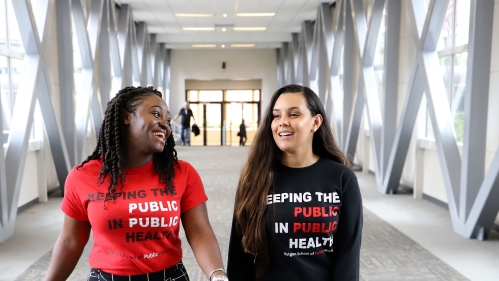
Keeping the 'Public' in Public Health
At the Rutgers School of Public Health, we’re educating leaders, putting research into practice, and developing public health solutions rooted in our deep commitment to health equity, social justice, and advocacy.
Our Departments
Biostatistics and Epidemiology

The Department of Biostatistics and Epidemiology focuses on biostatistics and epidemiology, as well as other areas like pharmacoepidemiology, through its research, educational programs, and community engagement activities.
Environmental and Occupational Health and Justice
The Department of Environmental and Occupational Health and Justice focuses on environmental and occupational health, occupational safety, and environmental sciences, as well as other areas like sustainability and occupational and environmental medicine, through its research, educational programs, and community engagement activities.
Health Behavior, Society and Policy
The Department of Health Behavior, Society and Policy focuses on social and behavioral health, health systems and policy, population aging and mental health, as well as other areas like economics and ethics, through its research, educational programs, and community engagement activities.
Urban-Global Public Health
The Department of Urban-Global Public Health focuses on urban and global public health, public health nutrition, LGBTQ health, and other areas like public administration and leadership, through its research, educational programs, and community engagement activities.
Leaders in the Field
The Rutgers School of Public Health is New Jersey’s premier research, teaching, and service institution guided by the principles of health equity and social justice.
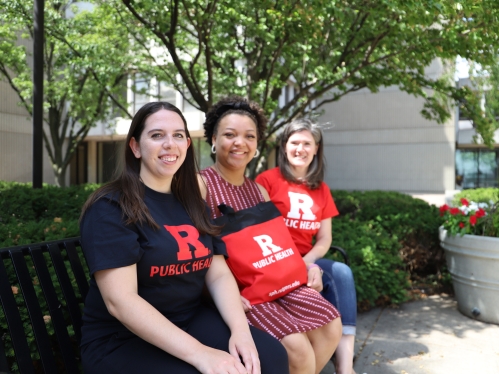
Let's Connect
Learn more about the school, our educational programs, and various opportunities to solidify your future in public health.
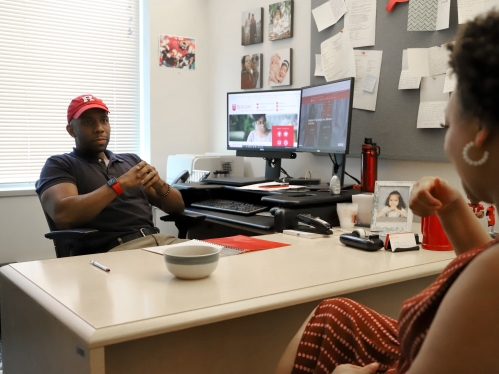
News
Instructors with the Rutgers Center for Public Health Workforce Development share their memories from the September 11, 2001, attacks.

Thanks to PHocus, Lindsey Luper is pursuing her master of public health degree at Rutgers.

The New Jersey Gun Violence Research Center at the Rutgers School of Public Health has received a $111,638 grant to bring The Armory Project, a voluntary, temporary firearm storage program designed to help prevent suicide, to New Jersey.
Keep Up with Us
Learn how we are ‘keeping the public in public health’ by signing up for our quarterly newsletter, The Scarletter.